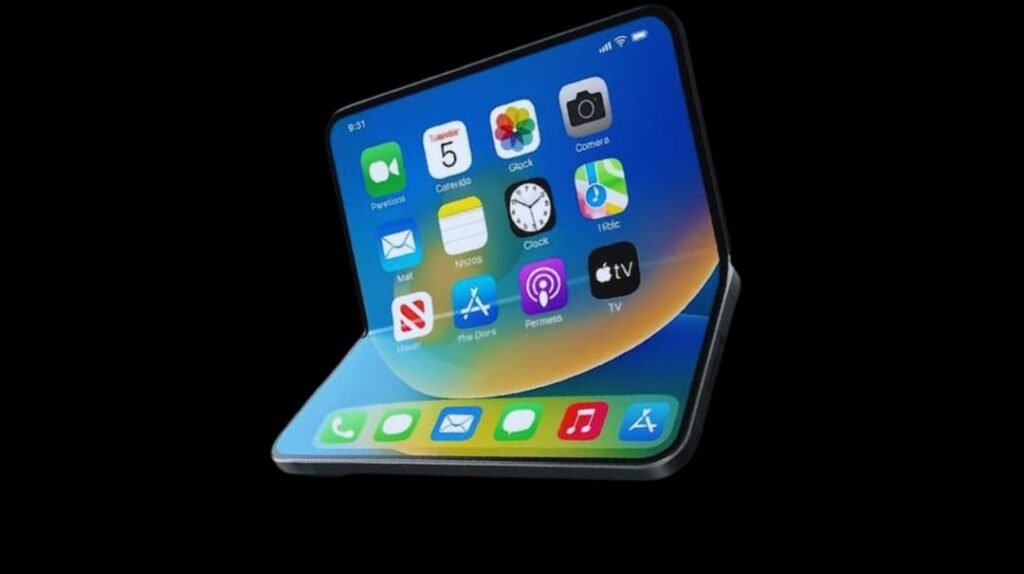
At the Huawei Developer Conference 2025, Zhu Dongdong, President of Huawei’s Tablet and PC Product Line, confirmed that Huawei is preparing to merge tablets and PCs into a new type of HarmonyOS device. The company plans to blur the line between laptop and tablet, focusing on flexibility without sacrificing function.
This isn’t a standard hybrid. According to Zhu, Huawei is rethinking the entire category. “It’s not just a hybrid,” he said. “It’s a complete rethinking of how we define a computer. Imagine a device where the keyboard isn’t fixed; because it doesn’t have to be.”
Huawei HarmonyOS PC Ecosystem Progress
| Aspect | Details |
|---|---|
| Conference | Huawei Developer Conference 2025 |
| Key Executive | Zhu Dongdong (朱懂东), President, Tablet & PC Product Line |
| Development Team | 10,000+ engineers |
| Collaborators | 20+ research institutes |
| Patents | 2,700+ core patents |
| Adapted Apps | 300+ ecosystem apps |
| Apps Under Adaptation | 2,000+ more underway |
| Peripheral Compatibility | Supports 1,000+ devices (800+ standard, 250+ non-standard) |
| Sideloading Support | Planned, phased release based on stability and security |
| Reference | Huawei Central |
New Hardware, New Rules
Huawei is not simply refreshing devices, it’s building a new ecosystem from the ground up. The new product will not fit neatly into either the tablet or PC category. It aims to offer computing power when you need it and portability when you don’t. Removing the fixed keyboard opens up new use cases. Presenters, designers, field workers, and students can switch between work and leisure modes without needing two separate devices.
This vision comes after five years of planning. Huawei invested deeply in both hardware and software to make it happen. With over 10,000 engineers and 20+ research bodies involved, it’s one of the company’s most extensive R&D programs to date. The company has also secured more than 2,700 core patents focused on this convergence of form factors.
HarmonyOS Push: Beyond Phones
Huawei wants HarmonyOS to live everywhere; on phones, smart TVs, wearables, and now PCs. The new tablet-PC device will run HarmonyOS, giving it cross-device capability. Data sharing, app continuity, and ecosystem services will work across Huawei gadgets. You’ll be able to take a call, respond to a message, or continue an app experience seamlessly between your phone and this new PC-tablet device.
The company’s internal numbers back the ambition. More than 300 core apps have already been adapted to HarmonyOS for PCs. Over 2,000 more are being optimized. The system supports over 1,000 external devices, including 800+ standard peripherals like USB drives and Bluetooth mice, plus 250+ non-standard tools used in design, photography, and industry.
Sideloading Will Happen But Not Yet
Sideloading is often a litmus test for users who want more control. Huawei addressed this directly. Zhu Dongdong confirmed that sideloading is on the roadmap but won’t roll out immediately. Huawei’s stance is cautious. Stability and security come first. The plan is to unlock sideloading in stages, only after testing defenses and user experience improvements.
Developers already enjoy limited sideloading rights. Regular users will see more options over time. In the meantime, Huawei is focusing on growing its HarmonyOS app store and attracting high-quality app developers to reduce dependence on sideloading in the early phase.
New Device Launch Timeline
The new device is expected in the second half of 2025. No specific name or specs have been released, but the company has teased that it will not be a minor refresh. It will be the first major step in Huawei’s vision for a post-PC era. Instead of asking users to choose between a laptop and a tablet, Huawei wants them to stop thinking in those terms entirely.
It’s a bold strategy, but one that fits Huawei’s direction since U.S. sanctions forced the company to invest in its own tech stack. From Kirin chips to HarmonyOS, Huawei’s answer has been to build everything in-house. The same logic now drives its tablet-PC convergence effort.
What This Means for the Industry
If Huawei succeeds, others may follow. The traditional PC market has been flat for years, with only minor innovation in form factors. Huawei’s new direction may spark new interest in computing devices that feel fresh but remain productive. Microsoft Surface tried to combine both worlds but still carried the burden of Windows legacy features. Huawei’s HarmonyOS has no such baggage.
More importantly, the Chinese tech giant is trying to create something functional for its own ecosystem and potentially beyond. If HarmonyOS catches on in this segment, it could pressure other brands to rethink their device lines too. Global consumers stand to benefit from more fluid, modular computing options.
What to Expect Next
Expect more leaks and teasers in the coming months. Huawei will likely announce developer beta programs and app partnership campaigns before the official launch. For users in China, early access to the device may begin in Q4 2025. International rollout could follow in 2026, depending on trade conditions and regulatory approvals.
Until then, the industry will watch closely. Huawei set to merge tablets and PCs isn’t just a product reveal, it’s a statement about the future of portable computing.