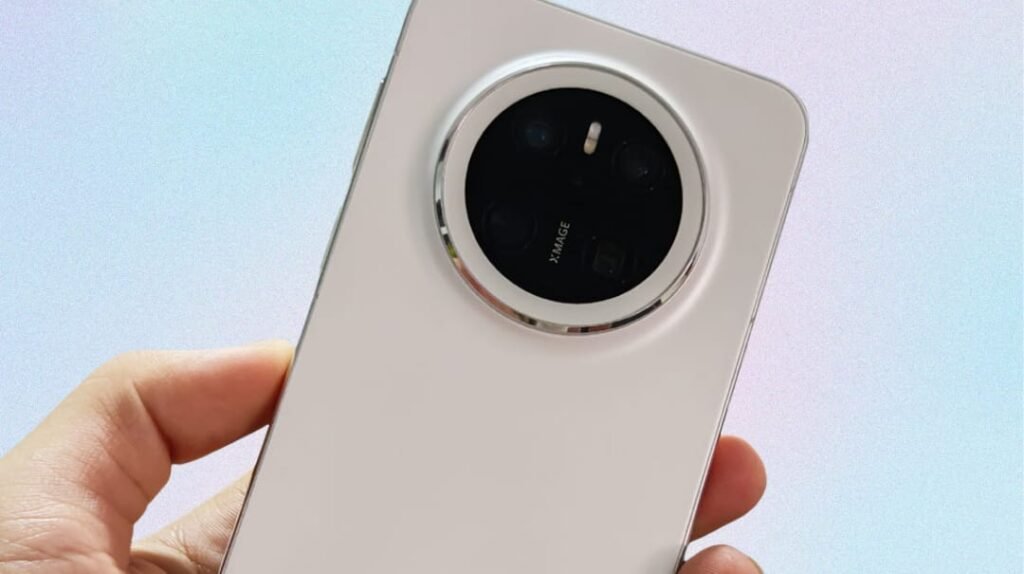
The Huawei Mate 80 is shaping up to be one of the boldest flagships in Huawei’s history, not for its cameras or chips alone, but for how it manages heat. Huawei is testing a three-layer active cooling system with real-time temperature control and built-in fans. Yes, fans. In a smartphone. And no, this isn’t a gaming brick, this is a mainstream Mate-series flagship.
Huawei isn’t known for gimmicks. Their Mate line has always focused on delivering practical innovation, and this time, the company is venturing into new thermal territory. According to leaks by insider @SmartPikachu, the Mate 80’s smart cooling mechanism isn’t just for show. It’s a functional system that might redefine how future phones manage performance and longevity.
Huawei Mate 80 Technical Snapshot
| Feature | Details |
|---|---|
| Cooling System | Triple-layer design: passive radiator + micro-fans + smart thermostat |
| Active Ventilation | Built-in ultra-thin aluminum fans |
| Processor (Expected) | Kirin 9 (rumored) |
| Previous Model Comparison | Mate 70 featured passive liquid vapor chamber (6870 mm²) |
| Release Status | Testing phase underway |
| Source | Gizmochina – Huawei Mate 80 Leak |
What Is the Three-Layer Cooling System in Huawei Mate 80?
The system tackles overheating from three angles:
- Internal Component Protection – Maintains stable performance by shielding core hardware from thermal stress. No throttling. No battery degradation. No sudden slowdowns.
- Active Heat Extraction – Uses ultra-thin aluminum fans instead of just vapor chambers. These fans are durable, light, and corrosion-resistant.
- Smart Temperature Control – A real-time thermostat governs cooling based on workload demands, reacting before performance drops.
Why Does Huawei Mate 80 Need a Fan?
This isn’t about making a flashy spec sheet. Passive systems can only react to heat after it builds up. Active cooling, especially smart-controlled, keeps temperatures low and stable.
- Longer battery life from reduced thermal strain
- Higher sustained performance due to fewer thermal throttles
- Improved lifespan for components like SoC and battery
Fans Aren’t Just for Gaming Phones Anymore
Previously, fans were found only in bulky gaming phones. Huawei Mate 80 is changing that. These new fans are:
- Ultra-thin – Fit within a sleek design
- Efficient – High thermal dissipation, low energy use
- Quiet – Engineered for silent operation
That means Huawei is scaling this once-niche solution to a mass-market device.
How Does It Compare to Huawei Mate 70?
While Mate 70 used a large vapor chamber (6870 mm²), it relied on passive heat transfer. Mate 80 adds intelligence and active airflow. It doesn’t wait for heat, it prevents it.
Summary:
| Model | Cooling Tech | Performance Management |
|---|---|---|
| Mate 70 | Vapor chamber (passive) | Delayed thermal relief |
| Mate 80 | 3-layer active cooling | Real-time response with fans |
Kirin 9 Might Demand It
Leaks suggest Mate 80 may introduce the Kirin 9, a high-performance chip with advanced AI and 5G capabilities. These features generate significant heat during tasks like:
- 4K video processing
- Night-mode photography
- AI voice translation
- Live video calling
The new cooling system is not a luxury, it’s essential to maintain performance and avoid overheating.
Will This Set a New Standard?
Flagship phones are hitting thermal limits. Bigger chips. Slimmer builds. More demanding apps. The solution? Not throttling. Not underclocking. But smarter engineering.
Huawei Mate 80’s proactive thermal approach may influence industry trends. It signals a shift toward sustainable performance, not just synthetic benchmarks.
Final Thoughts on Huawei Mate 80’s Thermal Shift
Huawei is betting on hardware innovation, not hype. The Mate 80’s cooling system isn’t about gimmicks. It’s about creating phones that perform longer, stay stable, and don’t burn out.
If Huawei succeeds, this flagship might not just run cool, it might change what we expect from premium smartphones in 2025 and beyond.