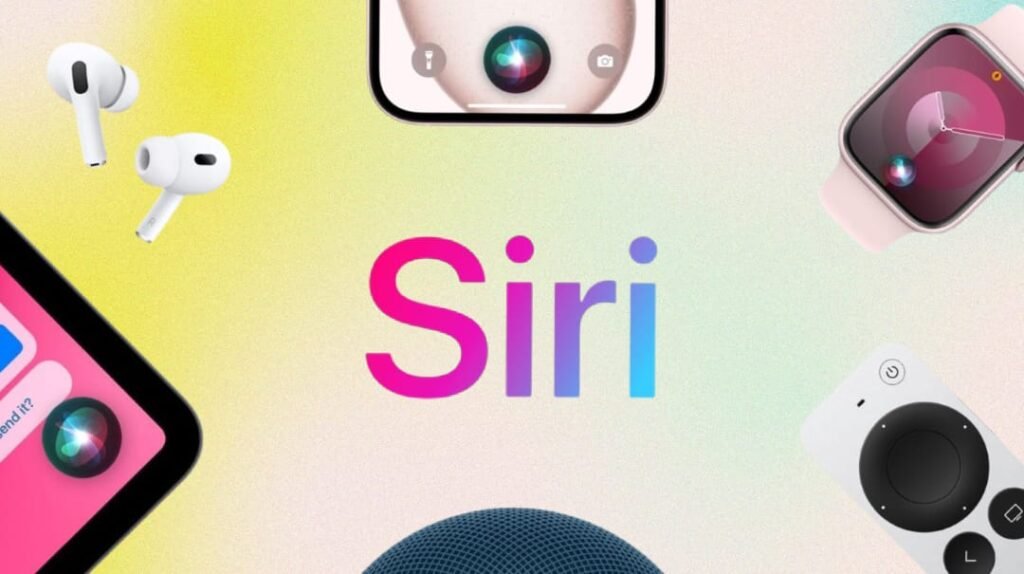
In recent years, Apple has consistently pushed the boundaries of wearable technology, from the seamless integration of AirPods with the Apple ecosystem to the advanced health-tracking capabilities of the Apple Watch. Now, a newly granted patent reveals an even bolder vision: AirPods equipped with lasers to detect micro-movements in facial muscles, lips, and even silent whispers.
This innovation, dubbed “Wearable Skin Vibration or Silent Skin Gesture Detector,” leverages self-mixing interferometry—a laser-based sensing method—to track minute deformations in the skin caused by jaw movements, smiles, or even subtle facial expressions. The implications are staggering: users could skip songs, answer calls, or activate Siri without uttering a single word.
Key Innovators Behind the Tech
| Name | Role | Notable Contributions | Reference |
|---|---|---|---|
| Mehmet Mutlu | Apple Inventor & Engineer | Co-inventor of ultrasonic voice authentication for Apple Watch; key figure in silent gesture detection | AppleInsider |
| Istvan Szini | Antenna & Wireless Systems Expert | Developed RF-based facial tracking for Vision Pro, influencing AirPods’ laser integration | Patently Apple |
| Brian Tsang | Wearable Systems Engineer | Worked on H2 chip integration for AirPods’ computational audio and gesture recognition | Apple Patents |
Table: Key figures behind Apple’s silent gesture-detection technology. Source: AppleInsider & Patently Apple
How It Works: Lasers, Skin Vibrations, and Silent Commands
1. The Science of Self-Mixing Interferometry
The patent describes a Vertical Cavity Surface Emitting Laser (VCSEL)—the same technology used in Face ID—embedded in AirPods or future AR glasses. This laser emits a beam that reflects off the skin, and even the slightest vibrations (like a whispered word or a smirk) alter the returning signal. By analyzing these changes, the system predicts user intent with remarkable precision.
2. Beyond Voice: The Rise of “Silent Siri”
Currently, AirPods Pro can detect head nods or shakes to accept/reject calls. But Apple’s next step is interpreting mouth movements as commands—imagine:
- Lip-pursing = “Skip track”
- Jaw clench = “Pause music”
- Subtle smile = “Send heart reaction in Messages”
This could be a game-changer for accessibility, allowing users with speech impairments to control devices effortlessly.
3. Privacy vs. Convenience: A Delicate Balance
While the tech promises seamless interaction, it also raises privacy concerns:
- Biometric Data Collection: Will Apple store facial movement patterns?
- Security Risks: Could hackers exploit silent gestures to trigger unauthorized actions?
- Regulatory Scrutiny: Will governments classify this as a health-monitoring tool, requiring stricter compliance?
Apple’s patent emphasizes on-device processing, suggesting data may not leave the AirPods—a crucial safeguard.
The Bigger Picture: Why Apple Wants Your Facial Data
1. The AR/VR Connection
Apple’s Vision Pro already uses RF antennas to track facial expressions for realistic avatars in FaceTime. Integrating similar tech into AirPods could create a unified biometric interface across wearables.
2. The Next Authentication Layer
Imagine unlocking your iPhone by mouthing a passphrase—undetectable to bystanders. This could make shoulder-surfing attacks obsolete while streamlining secure logins.
3. A Competitive Edge Over Rivals
While Samsung and Sony focus on audio quality, Apple is betting on invisible interactions. If successful, this could further lock users into the Apple ecosystem.
Conclusion: A Glimpse Into the Post-Voice Future
Apple’s laser-powered AirPods represent more than just a quirky patent—they signal a fundamental shift in human-device interaction. As voice assistants plateau in innovation, silent, gesture-based controls could become the next frontier.
Yet, as with any biometric tech, the line between convenience and surveillance remains thin. Will consumers embrace a world where their smiles and whispers are data points? Only time—and Apple’s marketing prowess—will tell.