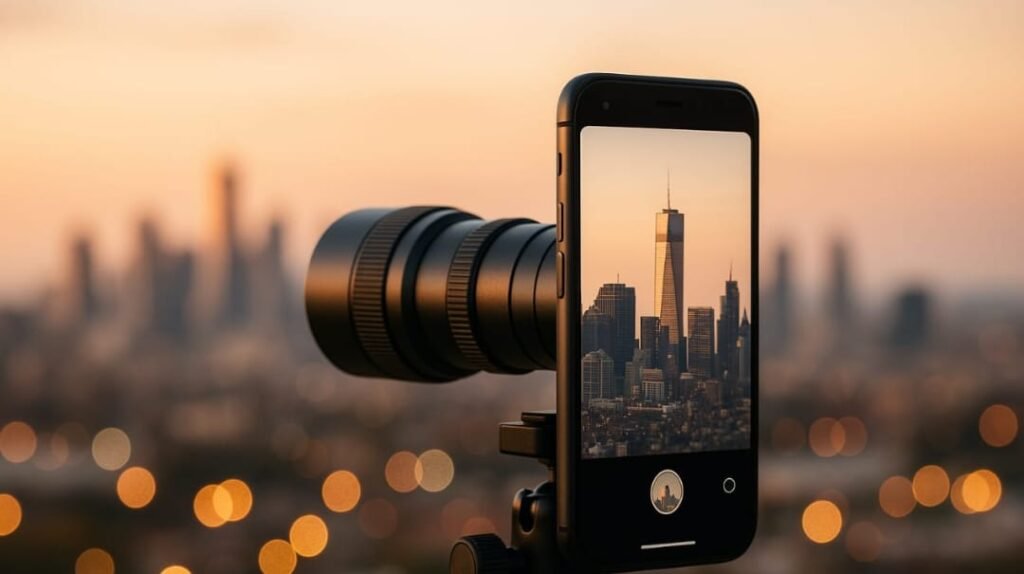
Mobile photography is entering a quieter but decisive phase of change. The once-celebrated push to fit large one-inch sensors into smartphones is slowing down. In its place, a new front-runner is emerging: the telephoto lens.
Once reserved for premium “Ultra” models, one-inch sensors are becoming less common. Only OPPO’s Find X8 Ultra and Xiaomi’s 15 Ultra still use them and even these feel like holdouts. Vivo’s X200 Ultra, for example, has traded the bulky sensor for Sony’s more compact LYT818. Honor has taken a similar path, shifting its focus toward balance and integrated performance rather than raw sensor size.
The direction is clear: flagship cameras are gradually moving away from oversized sensors in favor of a more refined approach.
But Huawei is taking a different stance. Its Pura 80 Ultra continues to rely on a custom-designed one-inch sensor with a distinctive RYYB pixel arrangement. Combined with a proprietary image processor and the XMAGE system, Huawei is building a self-contained imaging ecosystem designed to stand apart from industry trends.
Elsewhere, the spotlight has shifted. Telephoto lenses are no longer just an add-on they are becoming the main act. Dual periscope systems, improved RYYB sensors, and intricate lens designs are now at the forefront. The aim is clear: to deliver outstanding clarity and detail across a broad zoom range, from moderate to extreme distances.
This marks a turning point in mobile imaging. The race is no longer about having the largest sensor. It’s about precision, reach, and intelligence. And that race is only just beginning.