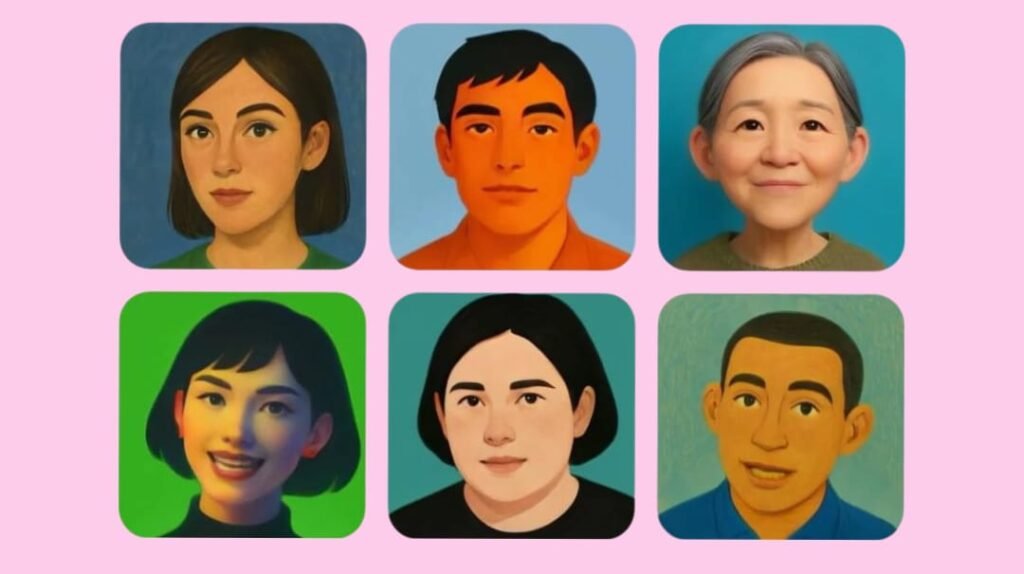
Microsoft is taking artificial intelligence to the next level—transforming its text-based Copilot assistant into a visually interactive entity through Live Portraits. This bold move pushes AI beyond cold algorithmic responses into an era where digital assistants appear lifelike, with customizable faces, animated expressions, and even potential 3D avatars.
Live Portraits aim to bridge the gap between human and machine interactions, providing a more personal touch to AI assistance. Instead of an abstract chatbot, users may soon see a dynamically expressive AI, making conversations more intuitive and engaging.
What Are Live Portraits?
Live Portraits are animated avatars that bring Microsoft’s Copilot to life visually. Users will have the option to select a gendered avatar with potential future customization options, ensuring Copilot doesn’t remain a faceless AI but rather a recognizable digital assistant tailored to personal preferences.
| Feature | Details |
|---|---|
| Concept | AI assistant with animated avatars |
| Customization | Choose male or female avatars |
| 3D Avatar Possibility | Potential future implementation |
| User Target | Professionals needing a polished AI assistant |
| Tech Driving It | Neural network-powered animation |
| Possible Release | First in web-based scenarios, later for desktop |
Reference: TestingCatalog’s Live Portraits Discovery
Why AI Avatars Matter
The integration of avatars into AI platforms signals a shift toward humanized AI interactions. Microsoft has been exploring Copilot Characters—cartoon-like AI personas with predefined roles such as teacher, coach, or assistant—suggesting that Live Portraits may be a bridge between that concept and more serious professional AI avatars.
More intriguingly, early findings indicate Microsoft is working on 3D Generations, potentially enabling AI avatars to mimic human gestures, emotions, and facial expressions.
The Future: AI Assistants with Faces and Expressions
The introduction of Live Portraits could mark a turning point in AI interaction. While still in early testing, this development aligns with Microsoft’s broader push to enhance AI accessibility through Copilot Pages, Memories, and other deep-learning advancements.
If successful, Microsoft could create a visually engaging AI ecosystem where users can choose between lively cartoon-like avatars or business-like 3D partners.
Conclusion
Microsoft’s Live Portraits project suggests that faceless AI assistants will soon be a thing of the past. With animated and potentially 3D avatars on the horizon, Copilot is evolving from a plain text bot into an expressive digital assistant—one that users can interact with more naturally.
The real question is: Will AI avatars revolutionize digital communication, or will they remain an interesting but unnecessary addition? Only time—and user engagement—will tell.