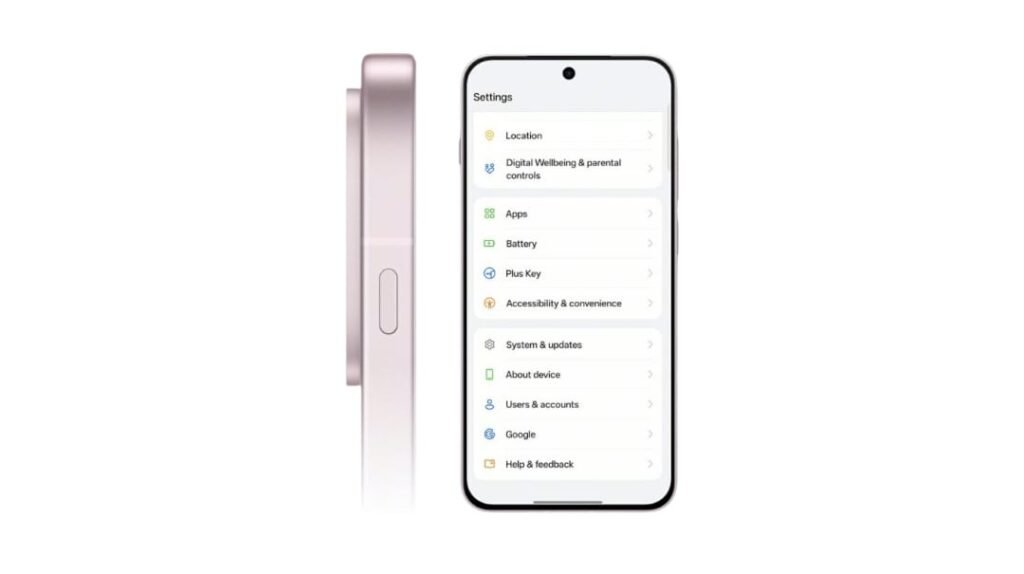
In a move that underscores the deepening rift between the world’s two largest economies, China has reportedly blocked Apple’s AI partnership with Alibaba, leaving the tech giant scrambling to salvage its artificial intelligence ambitions in its second-largest market.
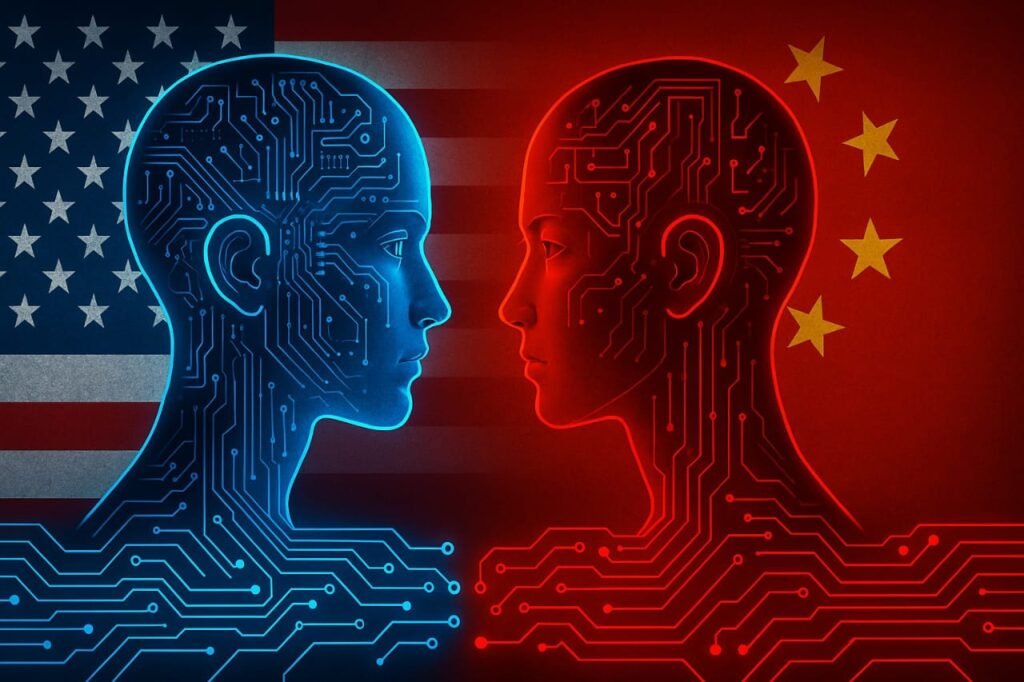
The deal, which would have integrated Alibaba’s Qwen AI models into iPhones sold in China, was seen as Apple’s best shot at circumventing Beijing’s strict AI regulations while keeping pace with local rivals like Huawei. But instead of a breakthrough, the partnership has become the latest casualty of the U.S.-China tech cold war—a geopolitical tug-of-war where trade tariffs, data sovereignty, and AI supremacy are the battlegrounds.
Key Players in the Apple-Alibaba AI Standoff
| Name | Role | Key Insight | Reference |
|---|---|---|---|
| Cyberspace Administration of China (CAC) | China’s internet regulator | Blocked Apple-Alibaba AI deal, citing geopolitical tensions & trade war fallout | Reuters |
| Joseph Tsai | Alibaba Chairman | Confirmed talks with Apple, calling it an “honor” to collaborate | India Today |
| Rep. Raja Krishnamoorthi | U.S. Congressman | Warned that Apple’s deal could “bolster China’s AI capabilities” | AiNews |
| Greg Allen | CS三个 AI Director | Called the partnership a risk in the “AI race” between U.S. and China | WebProNews |
Why China Said No: Trade Wars & Tech Sovereignty
1. A Political Retaliation?
Sources close to the matter suggest that China’s Cyberspace Administration (CAC) is deliberately stalling approvals as retaliation for the Trump administration’s recent tariffs on Chinese tech imports—including a proposed 25% levy on iPhones assembled outside the U.S.
2. The Great Firewall Strikes Again
China’s strict AI laws require foreign firms to partner with local players, but even then, regulators remain wary. Apple’s reliance on OpenAI’s ChatGPT globally made Alibaba the obvious choice—but Beijing fears U.S. influence over critical AI infrastructure.
3. U.S. Backlash: A Double-Edged Sword
Washington isn’t thrilled either. Lawmakers like Rep. Raja Krishnamoorthi argue that sharing Apple’s AI ecosystem with Alibaba could “accelerate China’s AI dominance”—a nightmare scenario for U.S. national security.
What’s Next for Apple in China?
With iPhone sales down 17% in 2024 and Huawei surging ahead with AI-powered devices, Apple is in a precarious position. Possible next steps include:
- Seeking alternative partners (Baidu, Tencent, or DeepSeek)
- Lobbying for regulatory leniency ahead of the iPhone 17 launch
- Scaling back AI ambitions in China—a risky move in an AI-driven market
Conclusion: The New Tech Cold War
Apple’s predicament is a microcosm of a larger battle—one where technology is no longer just about innovation, but geopolitical leverage. As U.S.-China tensions escalate, global tech firms are being forced to pick sides, navigate minefields of regulation, and accept that business and politics are now inseparable.
For Apple, the stakes couldn’t be higher: lose China, lose the future.
What do you think? Should Apple risk deeper ties with China, or pivot elsewhere? Let us know in the comments!