Artificial Intelligence” Anchors Safaricom’s Bold African Expansion
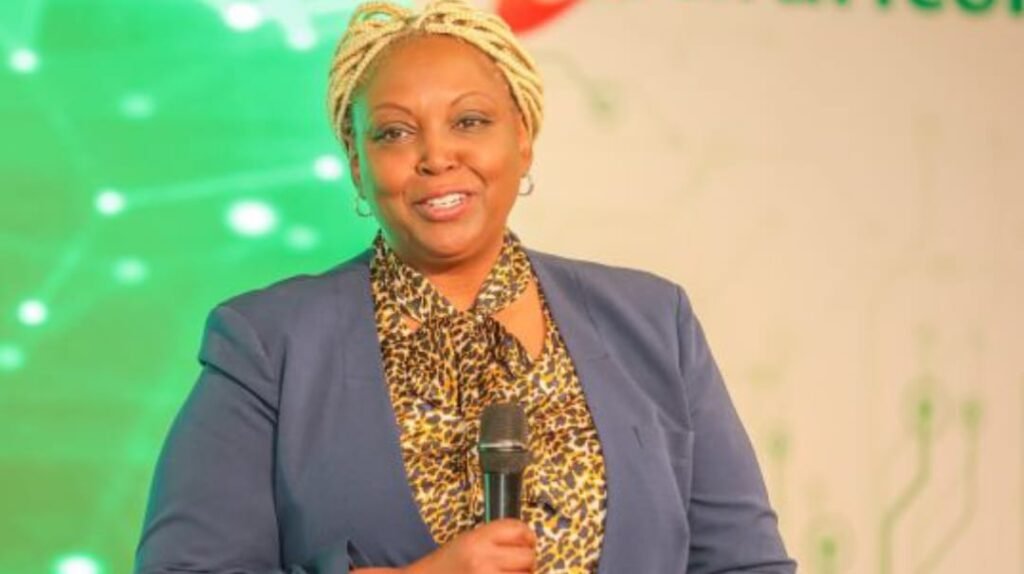
In a landmark declaration at the Connected Africa Summit 2025 held in Diani, Kenya, Safaricom revealed a transformative $500 million investment plan to build Artificial Intelligence (AI) infrastructure across East Africa over the next three years. The announcement came from Cynthia Kropac, the firm’s Chief Enterprise Business Officer, as she painted a bold vision of Africa’s place in the global digital revolution.
Kropac emphasized that this financial commitment is more than a technological upgrade—it’s a strategic foundation for what she called “Africa’s intelligent economy.” The telecom giant has already trained over 5,000 employees in AI fundamentals, a move she says is crucial for embedding AI into everyday operations and services that impact millions.
The AI revolution is already underway within Safaricom’s flagship services, including M-PESA and Digifarm. M-PESA, with its 60 million users, integrates AI into its core architecture to ensure transactional security, fight fraud, and deliver a seamless digital payment experience. Meanwhile, Digifarm is leveraging AI to provide smallholder farmers with access to credit, markets, and affordable inputs—turning data into lifelines for rural communities.
Kropac pointed out that Africa holds a unique advantage: a youthful population with 75% under the age of 25 and the opportunity to define its own AI path. Yet challenges remain. Despite these demographic strengths, broadband connectivity still only reaches 40% of Africa’s over 400 million people.
Safaricom aims to close this gap through massive infrastructure investments. With over 6,500 towers and 15,000 kilometers of fiber optics already laid, the telecom provider is laying the digital groundwork needed for AI and other advanced technologies to flourish. Their push includes the launch of East Africa’s first device assembly plant in Kenya, producing over 1.5 million affordable smartphones annually—many priced below $50—to boost digital access for individuals and small businesses alike.
Beyond devices and data pipes, Safaricom is also advocating for collaborative action. Kropac called for public-private partnerships and harmonized ICT regulations to unify the continent’s fragmented digital ecosystem, urging African nations to align laws and standards to foster a robust AI environment.
The implications are enormous. According to Kropac, AI has the potential to boost Africa’s GDP by $1.2 trillion within five years through automation in health, agriculture, and financial services. But to fully realize this potential, Africa must address glaring shortages: the continent has fewer than 50,000 AI professionals and contributes less than 1% to global data center capacity.
To counter this, Kropac proposed the creation of AI labs in major African universities, fast-tracked skills development programs, and active diaspora engagement. She stressed that African solutions should reflect African realities, whether in smart agriculture, multilingual education tools, or mobile health diagnostics.
In her concluding remarks, Kropac issued a clarion call: “We must harmonize our data and digital laws across the continent to build a scalable AI ecosystem.” Her message was clear—Africa’s digital future is within reach, and AI is the catalyst to get there.