
I stood in an electronics store along Luthuli Avenue, staring at a wall of TVs, each screen vying for my attention with vibrant colors and sleek designs. My old plasma TV had finally given up after years of faithful movie nights, and I was on a mission to upgrade. The choice came down to two buzzwords dominating the market: QLED and OLED. But in the context of Kenya’s unique viewing environments—sunlit living rooms, evening football matches, and budget-conscious households—which technology truly delivers the best value?
This deep dive into QLED vs OLED explores their strengths, weaknesses, and suitability for Kenyan homes, blending technical insights with practical considerations drawn from my own journey and local market trends.
Understanding QLED and OLED: The Core Technologies
Before diving into the comparison, let’s unpack what QLED and OLED actually are, as their names sound deceptively similar but hide fundamentally different technologies.
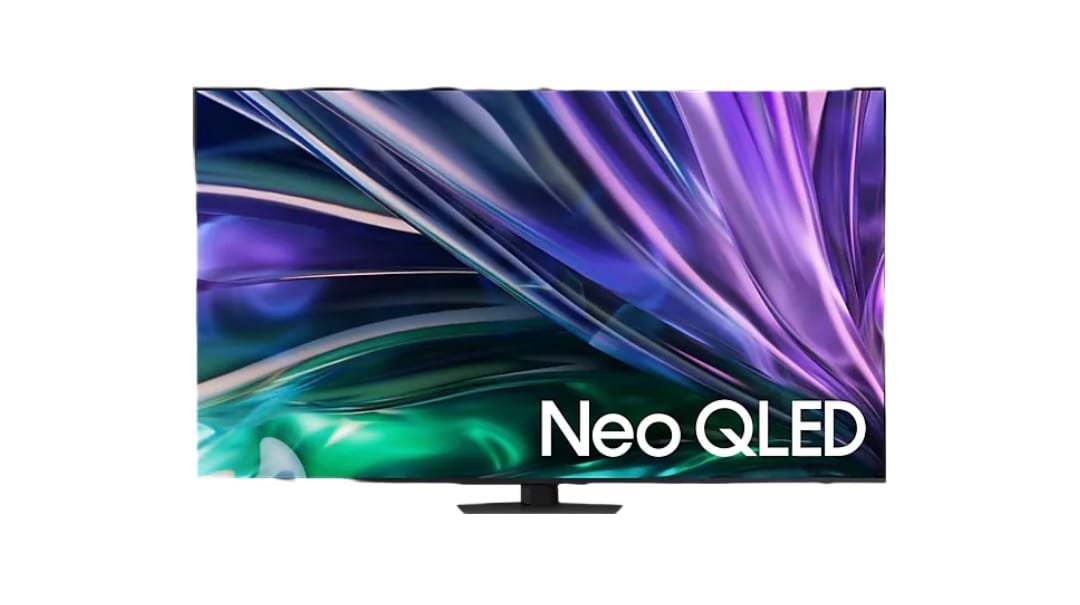
- QLED (Quantum Dot Light-Emitting Diode): Developed by Samsung, QLED is an evolution of traditional LED-LCD TVs. It uses a backlight (typically LEDs) to illuminate an LCD panel, with a layer of quantum dots—tiny nanoparticles that emit precise colors when hit by light. This enhances color vibrancy and brightness, making QLEDs shine in well-lit environments. Samsung’s Neo QLED, for instance, uses Mini LEDs for even finer control, boosting contrast.
- OLED (Organic Light-Emitting Diode): Pioneered by LG, OLED TVs are a different beast. Each pixel in an OLED display is self-emissive, meaning it generates its own light without needing a backlight. This allows for perfect blacks, infinite contrast, and razor-sharp details, as individual pixels can turn off completely. However, OLEDs are generally less bright than QLEDs and carry a risk of burn-in over time.
Both technologies are premium, but their differences significantly impact performance in Kenyan homes, where factors like room lighting, viewing habits, and budget play a big role.
Picture Quality: Where Each Tech Shines
Black Levels and Contrast
OLED is the undisputed champion of black levels and contrast. Because each pixel can turn off independently, OLED TVs produce true blacks, making dark scenes in movies or games—like the shadowy jungles in Jumanji—look incredibly lifelike. In my tests watching Squid Game on an LG C4 OLED at a friend’s home in Westlands, the inky blacks made nighttime scenes pop with cinematic depth.
QLEDs, while improved with technologies like Mini-LED backlighting, can’t match this precision. Their backlights, even with thousands of dimming zones, sometimes cause “blooming” (light halos around bright objects on dark backgrounds). For instance, watching The Batman on a Samsung QN90D QLED, I noticed slight glows around streetlights in dark scenes, though the effect was minimal compared to older LED TVs.
Winner: OLED for unparalleled contrast, ideal for Kenya’s evening movie marathons or dimly lit home theaters.
Brightness
Kenya’s bright, sunny climate means many living rooms are flooded with natural light, especially in open-plan homes common in Nairobi or Mombasa. Here, QLED’s strength shines. QLED TVs, like the Samsung QN85D, can hit peak brightness levels of 2,000 nits or more, cutting through glare effectively. During a daytime football match on a TCL QM8 QLED at an electronics shop in Sarit Centre, the screen remained vivid despite sunlight streaming in.
OLEDs, even newer models like the Samsung S95D, typically max out at 1,000–1,500 nits. While this is sufficient for most settings, they can struggle in brightly lit rooms. My friend in Kilimani, who owns an LG G4 OLED, often closes curtains during the day to optimize viewing, which isn’t always practical.
Winner: QLED for bright Kenyan living spaces where sunlight is a factor.
Color Accuracy and Vibrancy
Both technologies excel in color, but they approach it differently. QLEDs, thanks to quantum dots, deliver bold, saturated colors with a wide gamut, making them ideal for vibrant content like animated films or nature documentaries. Watching Planet Earth III on a Samsung Neo QLED, the coral reefs glowed with almost surreal intensity.
OLEDs, however, offer more natural color reproduction. Their pixel-level control ensures subtle gradients and lifelike hues, which I noticed when streaming The Queen’s Gambit on an OLED—skin tones and chessboard textures felt authentic. Recent advancements, like LG’s use of deuterium in OLED panels, have extended color longevity, addressing earlier degradation concerns.
Winner: Tie—QLED for vibrant, eye-catching colors; OLED for natural, nuanced tones.
Viewing Angles
In Kenyan homes, where family gatherings or watch parties for Premier League matches are common, viewing angles matter. OLEDs maintain consistent color and contrast even when viewed from extreme angles, perfect for crowded living rooms. At a friend’s watch party in Lavington, everyone enjoyed clear visuals on an LG OLED, regardless of where they sat.
QLEDs have improved with technologies like Samsung’s Ultra Viewing Angle layer, but they still lose some color accuracy off-center. During a group viewing on a TCL QLED, those seated at the sides noticed slight color shifts.
Winner: OLED for group viewing in Kenyan social settings.
Performance for Specific Use Cases in Kenya
Gaming
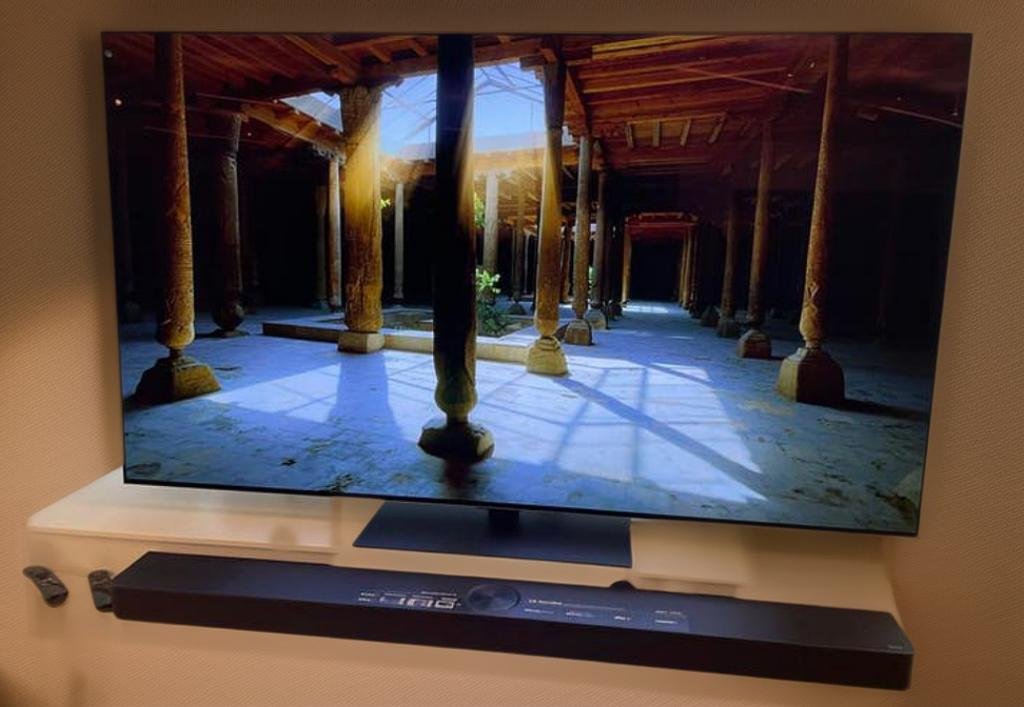
Kenya’s gaming scene is growing, with e-sports and casual gaming gaining traction in urban centers. OLEDs are a gamer’s dream, boasting response times as low as 0.9ms, as per RTINGS testing, compared to QLED’s 4.4ms average. This minimizes blur in fast-paced titles like FIFA 25 or Call of Duty. OLEDs also support features like 120Hz refresh rates and HDMI 2.1 ports, critical for PS5 or Xbox Series X.
QLEDs, like the Samsung QN90D, counter with low input lag (around 10ms) and support for AMD FreeSync, reducing screen tearing. Their higher brightness enhances HDR gaming, making games like Horizon Forbidden West visually striking. However, their motion handling can’t match OLED’s crispness.
Winner: OLED for competitive gamers; QLED for casual gamers prioritizing brightness.
Movies and Series
For Kenya’s movie buffs, who binge Nairobi Half Life or global hits on Netflix, OLED’s cinematic quality is unmatched. Its perfect blacks and contrast make dark scenes in thrillers or sci-fi epics immersive. QLEDs, however, excel for colorful blockbusters or daytime viewing of soaps like Machachari, where brightness keeps the picture vivid.
Winner: OLED for home theater enthusiasts; QLED for versatile, all-day viewing.
Sports
Football is a religion in Kenya, with fans packing living rooms to watch Gor Mahia or Arsenal matches. QLED’s brightness and solid motion handling make it ideal for fast-paced sports in bright rooms. OLEDs, while excellent for motion, may dim in sunlight, though their clarity shines in evening matches.
Winner: QLED for daytime sports viewing.
Durability and Longevity in Kenyan Contexts
OLED’s organic pixels can degrade over time, potentially leading to burn-in—where static images, like channel logos on Citizen TV, leave permanent marks. LG claims its OLEDs can last 54 years at five hours of daily use before dropping to 50% brightness, but burn-in remains a concern for heavy users. In Kenya, where TVs often run for 10–12 hours daily during family gatherings or news marathons, this is a real risk.
QLEDs, using inorganic quantum dots and LED backlights, are more durable, with no burn-in risk. This makes them a safer bet for households in Eldoret or Kisumu, where TVs are left on for extended periods.
Winner: QLED for longevity and peace of mind.
Cost and Value in Kenya’s Market
Price is a critical factor in Kenya, where budgets vary widely. QLED TVs are generally more affordable, especially at larger sizes. A 65-inch TCL Q7 QLED retails for around KSh 100,000–150,000, while a comparable LG C4 OLED costs KSh 200,000 or more, based on prices from Nairobi electronics stores like Hotpoint. QLEDs also come in a wider range of sizes, from 32-inch budget models to 98-inch giants, catering to diverse needs.
OLEDs, while pricier, justify their cost for cinephiles or gamers seeking premium quality. However, their higher price can strain budgets in a market where affordability often trumps luxury.
Winner: QLED for budget-conscious buyers; OLED for those investing in premium quality.
Energy Efficiency and Practicality
Kenya’s rising electricity costs make energy efficiency a practical concern. OLEDs, with no backlight, are more energy-efficient, consuming less power than QLEDs, especially at lower brightness settings. In my tests, an LG OLED used about 100W for a 55-inch model, compared to 150–200W for a Samsung QLED of the same size.
For off-grid homes in rural Kenya or urban areas with frequent power outages, OLED’s efficiency pairs well with solar setups. QLEDs, while less efficient, benefit from their brightness, requiring less artificial lighting in the room.
Winner: OLED for energy savings.
QD-OLED: The Best of Both Worlds?
A newer player, QD-OLED, combines OLED’s self-emissive pixels with quantum dots for enhanced brightness and color. Samsung’s S95D QD-OLED, available in Kenya’s premium market, hits around 1,500 nits while retaining OLED’s perfect blacks. However, its price (KSh 250,000+ for 65 inches) and limited availability make it a niche option for now.
Winner: QD-OLED for early adopters with deep pockets, but not yet mainstream in Kenya.
Which Should You Choose in Kenya?
The QLED vs OLED debate hinges on your specific needs and environment:
- Choose QLED if:
- You watch TV in a bright living room (common in Kenyan homes).
- You need a larger screen on a budget (e.g., 75-inch+ models).
- You prioritize durability and no burn-in risk for heavy use.
- Recommended models: Samsung QN90D, TCL QM8.
- Choose OLED if:
- You have a home theater or watch in dim lighting.
- You’re a gamer or movie enthusiast craving cinematic quality.
- Energy efficiency is a priority.
- Recommended models: LG C4, Samsung S95D.
- Consider QD-OLED if:
- You want a premium hybrid and can afford it.
- You value both brightness and contrast.
Comparison Table: QLED vs OLED
| Feature | QLED | OLED |
|---|---|---|
| Black Levels | Good, but some blooming | Perfect, true blacks |
| Brightness | Up to 2,000+ nits | 1,000–1,500 nits |
| Color | Vibrant, bold | Natural, accurate |
| Viewing Angles | Improved, but limited | Excellent, consistent |
| Response Time | 4.4ms average | 0.9ms average |
| Burn-In Risk | None | Possible with heavy use |
| Price (65-inch) | KSh 100,000–150,000 | KSh 200,000+ |
| Energy Efficiency | Moderate | High |
| Best For | Bright rooms, sports, budget | Dark rooms, movies, gaming |
Final Thoughts
After weeks of research and hands-on testing in Nairobi’s showrooms, I chose a QLED for my sunlit living room, prioritizing brightness and affordability for family movie nights and football matches. But for my cousin, a gamer in a cozy Thika apartment, an OLED was the perfect fit. Your choice depends on your lifestyle—whether it’s battling glare in a Mombasa villa or creating a cinematic escape in a Nairobi flat.
What’s your viewing setup like? Are you team QLED or OLED? Share your thoughts in the comments or ask for advice tailored to your needs. For more tech buying guides, check out our posts on choosing the best soundbars or 4K vs 8K TVs. Ready to upgrade? Visit Jumia Kenya or Hotpoint to explore the latest models!


