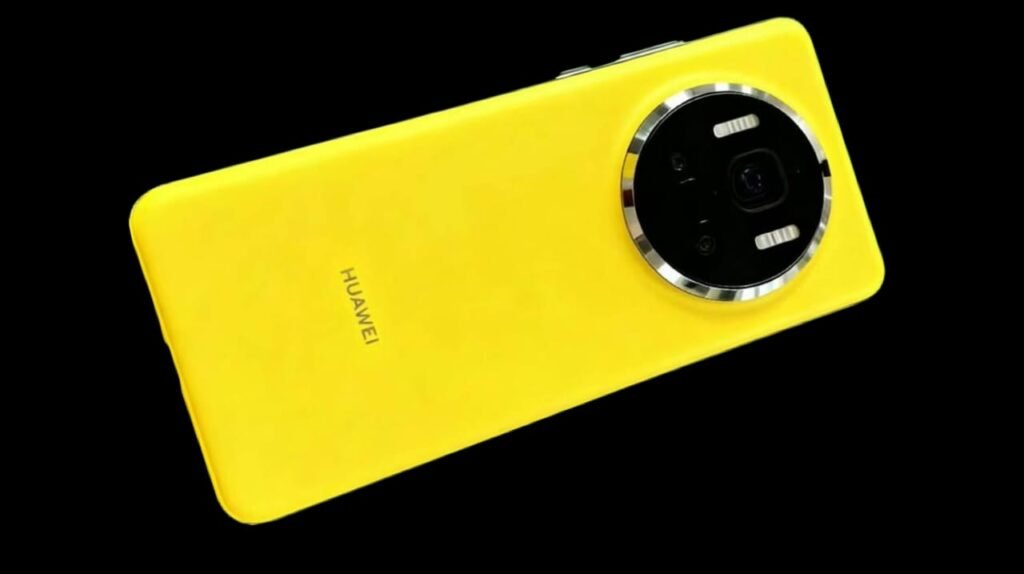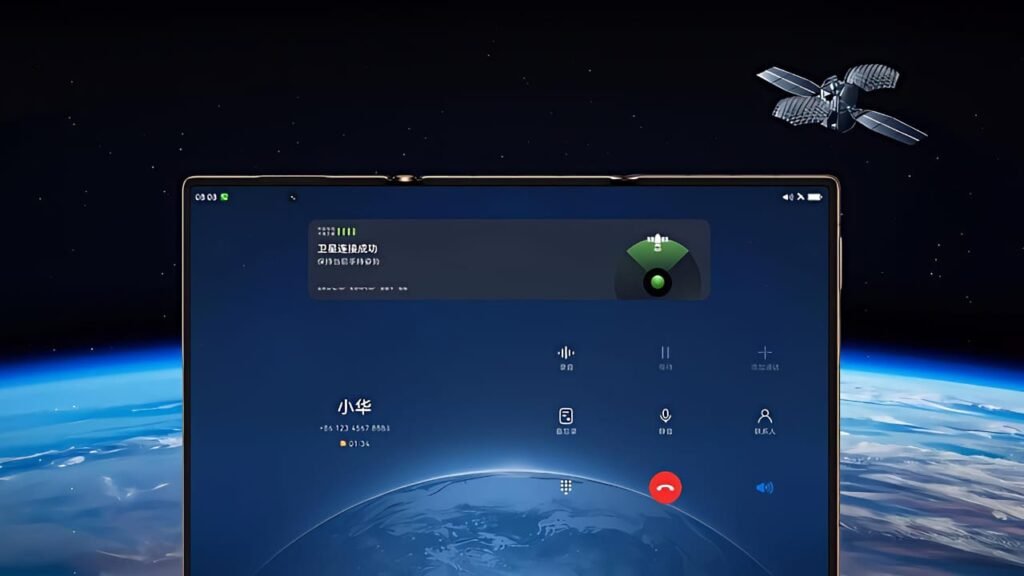
The Huawei Mate XT 2 isn’t just a repeat. It’s shaping up to be a real upgrade, featuring improved satellite connectivity, a stronger build, and better internal hardware. An insider report points to a bold integration of low-earth-orbit (LEO) satellite technology, hinting at Huawei’s continued push to break away from traditional cellular dependence.
Huawei Mate XT 2 – Key Information Table
| Specification | Details |
|---|---|
| Device Name | Huawei Mate XT 2 |
| Expected Release | Early September 2025 |
| Launch Strategy | Likely to coincide with iPhone 17 launch |
| Form Factor | Triple-fold design |
| Satellite Connectivity | Advanced low-earth-orbit (LEO) satellite support |
| Satellite Partner | China Star Network |
| Previous Model | Huawei Mate XT |
| Major Upgrades | Chipset, camera system, structural durability |
| Target Market | China (primary), potential expansion pending regulatory approval |
| Source | SmartPikachu leak via Weibo |
Improved Satellite Connectivity with Low-Orbit Tech
The Mate XT 2 is expected to integrate more advanced satellite functions than its predecessor. The original Mate XT already featured Tiantong satellite support for basic SMS and voice functions. The new model will step this up by connecting to low-earth-orbit satellites. These satellites orbit between 500 and 1200 kilometers above Earth and offer lower latency with faster data rates.
This type of satellite internet is energy-efficient and performs better in remote regions; areas where cellular towers don’t reach. Huawei’s collaboration with China Star Network will power this low-orbit satellite internet feature, enabling real-time communications in isolated or high-altitude environments.
Unlike traditional geostationary satellites which orbit much higher (about 35,786 km), LEO satellites move quickly across the sky and require a constellation to maintain continuous coverage. This means better signal quality, but also a bigger investment in infrastructure.
Real-World Benefits for Users
For urban dwellers, enhanced satellite SMS and voice may not sound like a game changer. But for travelers, mountaineers, or people living in remote regions, this can be vital. You’ll be able to send and receive texts or even make emergency calls without needing a cellular tower.
It’s especially promising if Huawei expands satellite functionality beyond China, though the legal and regulatory barriers in different regions may slow down global rollout.
Huawei’s strategic move here positions Mate XT 2 as not just a consumer device, but a potential tool for professionals working in off-grid areas; from wildlife researchers to military personnel.
Hardware and Performance Upgrades
Leaks suggest Huawei won’t stop at the satellite features. The Mate XT 2 will receive a significant upgrade in its internal components. The new chipset is expected to boost processing power, allowing for more seamless multitasking across the foldable screen layout.
Camera systems will also see a major refresh. Although details are limited, Huawei is known for pushing camera innovation. Expect a high-resolution sensor array, possibly with advanced optical zoom or AI-enhanced features optimized for foldable use.
Durability will also improve; a welcome change, as early triple-fold devices have struggled with hinge wear and screen crease issues. Reinforced chassis materials and a refined hinge mechanism may make the Mate XT 2 more robust and longer-lasting.
Triple-Fold Design: What It Means
The Mate XT 2 keeps the triple-fold form factor, which folds inward and outward in a Z-like configuration. This gives users a compact outer screen when folded, and a large tablet-sized display when opened.
This kind of flexibility could be practical for professionals who need to switch between compact mode and full-screen editing or reading. It’s also likely to be paired with optimized multitasking software, allowing three-way app splits or drag-and-drop between open windows.
Huawei continues to refine its HarmonyOS ecosystem, and the Mate XT 2 will likely benefit from updated firmware that makes full use of its unique form factor.
Competitive Timing: The September Surprise
Choosing September again for launch isn’t random. It’s a direct counter to Apple’s iPhone 17 event. Huawei wants attention, especially in the Chinese market; where it can rally national pride and technological momentum against Western giants.
If Huawei nails pricing and delivers real-world usability for its satellite tech, it could even lure premium buyers away from Apple’s ecosystem, at least locally.
Of course, the bigger global challenge remains, Huawei still faces U.S. restrictions, limiting its ability to offer Google apps or global 5G in many markets.
What’s Next?
The Mate XT 2, while not yet official, looks like more than just a second-gen novelty. If the upgrades live up to the leaks, Huawei could cement its place as a top innovator in foldables; not just in design, but in connectivity and usability in extreme conditions.
As satellite tech matures, expect more OEMs to follow this path. For now, Huawei is ahead of the curve, even if limited to its home turf.