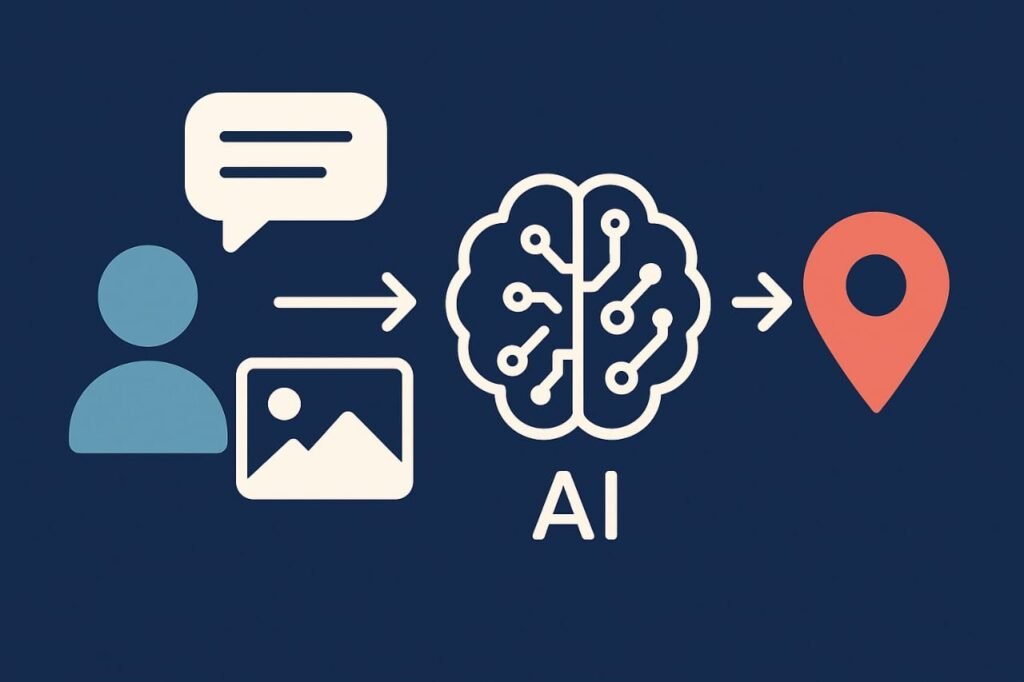
In recent years, artificial intelligence has become remarkably effective at piecing together the puzzle of our online identities. By leveraging technology that analyzes everything from the language we use to the photos we post, AI can now uncover not just our interests and opinions, but even where we live—sometimes with chilling accuracy.
A new service, YouTube-Tools, exemplifies this trend. For as little as €13.5 a month, anyone can access a tool that, given a single YouTube comment, can scrape a user’s entire comment history, analyze their language, interests, and cultural references, and generate a profile that includes their likely location, political views, and more. The implications for privacy are profound: what was once the domain of law enforcement or intelligence agencies is now available to anyone with a credit card and an internet connection.
How AI Finds Out Where You Live—Key Technologies and Risks
| Technology/Service | How It Works | Accuracy/Reach | Risks/Concerns | Reference Link |
|---|---|---|---|---|
| YouTube-Tools | Scrapes user comments, analyzes language, topics, and references | Can guess home country, sometimes region | Stalking, doxxing, misuse by bad actors | 404 Media |
| PIGEON (Stanford) | AI analyzes photo backgrounds to geolocate images | 92% country accuracy, 40% within 25km | Surveillance, loss of photo privacy | ZDNet |
| Google Location Estimation | Uses AI to match photos to a database of landmarks | Limited to known landmarks | Potential for tracking and profiling | NPR |
| General Geolocation AI | Combines GPS, device data, and user behavior | Highly precise, especially with multiple data points | Data breaches, algorithmic bias | UtilitiesOne |
The Mechanics: How AI Deduces Your Location
AI’s ability to find out where you live is not magic—it’s the result of aggregating and analyzing vast amounts of seemingly innocuous data. For example, YouTube-Tools uses a modified large language model to sift through 20 billion comments from 1.4 billion users. It looks for linguistic markers, references to local events or cuisine, and even opinions on social issues that might indicate cultural background.
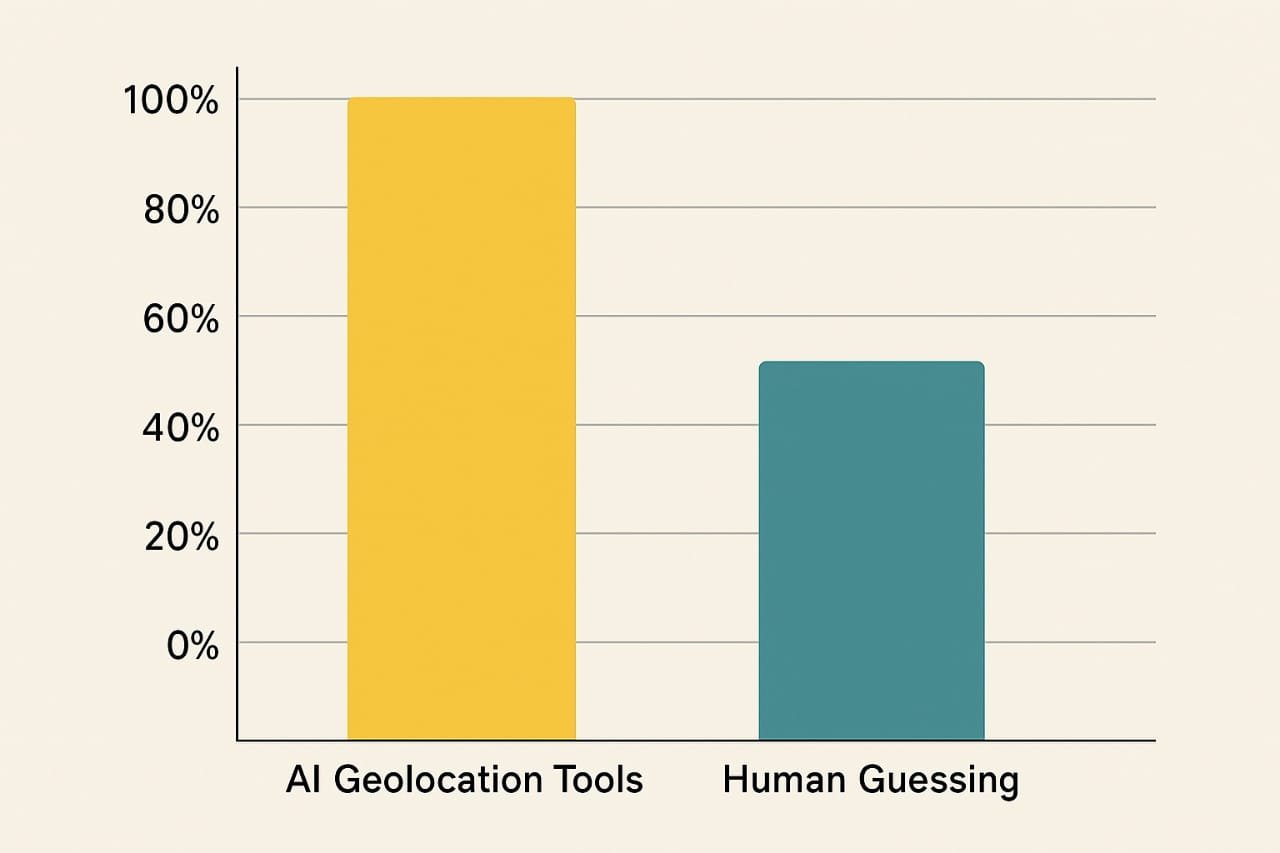
In one test, the tool accurately deduced a user’s Italian location simply because they commented in Italian and referenced “X Factor Italia” and Italian cooking.
Meanwhile, AI projects like Stanford’s PIGEON can analyze the background of personal photos—trees, architecture, even the color of street signs—to predict where a photo was taken, often within just a few kilometers. These technologies are not limited to law enforcement; they are already being used by businesses for targeted advertising, by journalists for investigations, and, worryingly, by anyone willing to pay the subscription fee.
Societal Impacts: Convenience vs. Privacy
The proliferation of geolocation AI brings both benefits and risks. On the positive side, these tools can help reconnect people with lost relatives, optimize logistics, and provide hyper-localized services. However, the darker side is impossible to ignore. Privacy experts warn that such technology could enable stalking, harassment, or even physical harm if misused.
Jay Stanley, a senior policy analyst at the ACLU, has highlighted the impact:
“From a privacy point of view, your location can be a very sensitive set of information… The fact that this was done as a student project makes you wonder what could be done by, for example, Google.”
Ethical Dilemmas and Regulation
The ethical challenges are mounting. AI geolocation tools often operate as black boxes, making it difficult for users to know how their data is being used or to opt out. There are growing calls for transparency, algorithmic accountability, and robust consent mechanisms to ensure individuals’ rights are protected. Yet, enforcement is lagging behind innovation, and companies are often left to self-regulate.
The Future: Can You Really Hide Online?
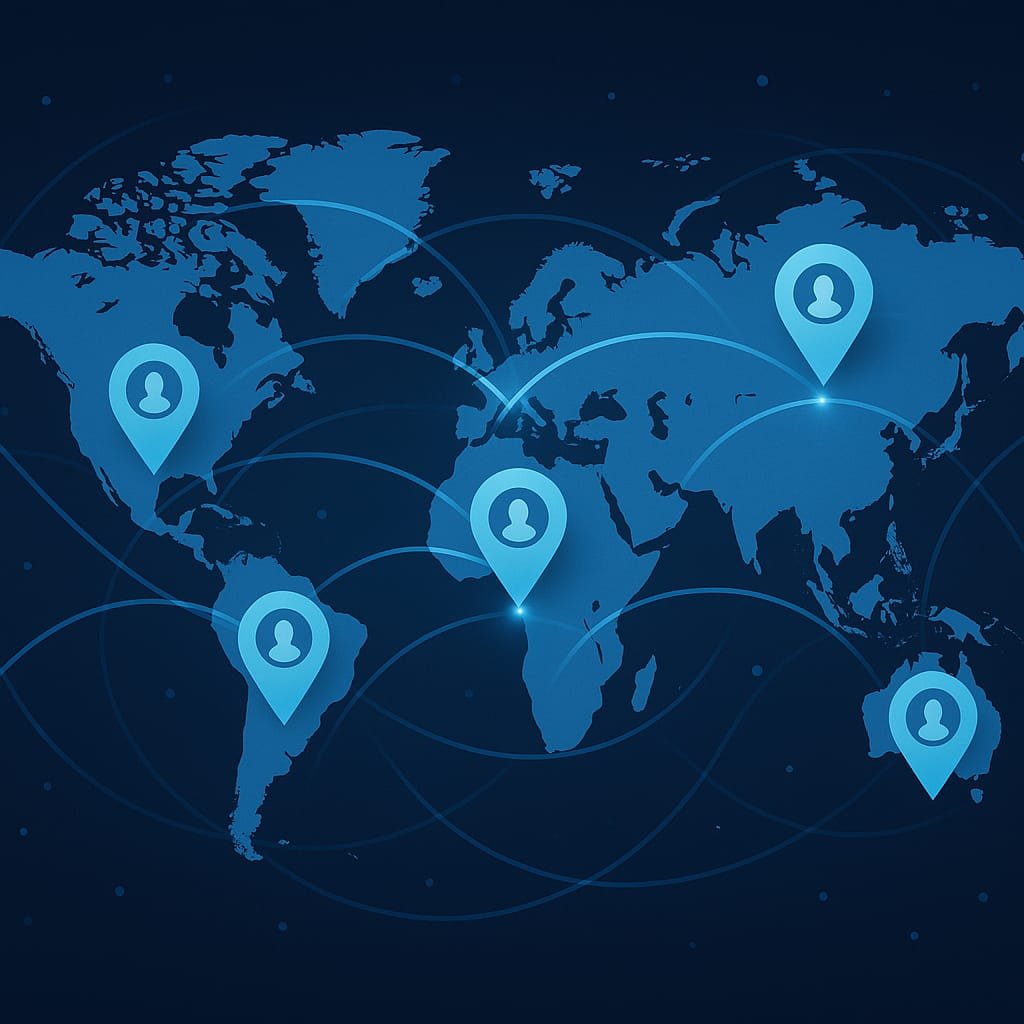
As AI becomes more adept at decoding the digital breadcrumbs we leave behind, the notion of online anonymity is rapidly eroding. Even removing GPS tags from photos or using pseudonyms may not be enough—AI can fill in the gaps with remarkable speed and accuracy. The best defense, for now, is awareness: understand what you post, where you post it, and who might be watching.
In a world where AI can find out where you live from a single comment or photo, the line between public and private life is blurring. The challenge for society is to harness these technologies for good—while fiercely defending the right to privacy.
For further reading and updates, visit 404 Media.