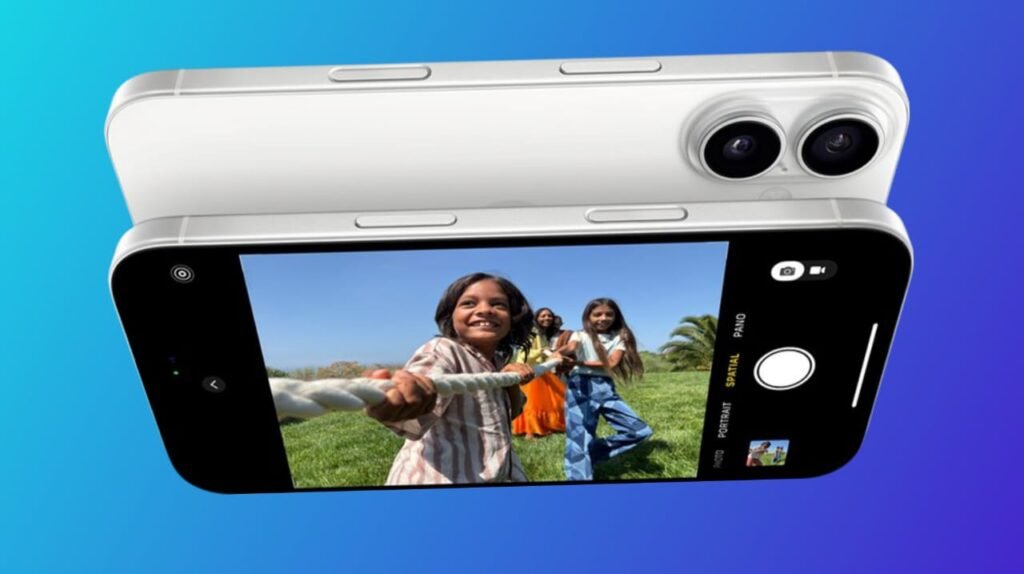
Tech analysts dismissed Apple’s iPhone 16 lineup as uninspired. Minor tweaks, a slightly faster processor, and marginal display improvements led to lukewarm assessments. Yet, despite these reviews, the iPhone 16, iPhone 16 Pro Max, and iPhone 16 Pro hold the top three spots in global smartphone sales for Q1 2025.
According to Counterpoint Research, the standard iPhone 16 leads the global rankings, proving that Apple’s brand power and reliability matter more than flashy upgrades. Japan, known for its discerning tech consumers, embraced the device enthusiastically. Sales surged across the Middle East and Africa, reinforcing Apple’s reputation for premium, dependable smartphones.
Sales Breakdown: Apple’s Continued Dominance
| Rank | Smartphone Model | Manufacturer | Key Market Strongholds |
|---|---|---|---|
| 1 | iPhone 16 | Apple | Japan, Middle East, Africa |
| 2 | iPhone 16 Pro Max | Apple | Global |
| 3 | iPhone 16 Pro | Apple | Global |
| 4 | iPhone 15 | Apple | Global |
| 5 | Galaxy A16 5G | Samsung | Budget Market |
| 6 | Galaxy A06 | Samsung | Budget Market |
| 7 | Galaxy S25 Ultra | Samsung | Flagship Segment |
| 8 | Redmi 14C 4G | Xiaomi | Emerging Markets |
| 9 | Galaxy A55 5G | Samsung | Mid-Range Segment |
| 10 | iPhone 16 Plus | Apple | Global |
Why Apple Keeps Winning
Despite minimal upgrades, Apple’s strategy relies on consistency, brand loyalty, and seamless integration across its devices. Unlike Android manufacturers constantly innovating in hardware, Apple focuses on user experience and ecosystem reliability. The numbers prove that this approach works—consumers continue buying iPhones at record levels.
Samsung maintains relevance, but its flagship Galaxy S25 Ultra slipped compared to previous years. Meanwhile, Xiaomi’s Redmi 14C sees significant growth in emerging markets, suggesting that budget-friendly Androids are gaining ground. However, premium buyers still lean toward Apple’s reliability over flashy new tech.
Conclusion: Innovation Is Optional, Sales Are Not
Apple once again defies expectations. While critics expected the iPhone 16 to struggle due to its lack of groundbreaking features, the data paints a different picture.
For consumers, this trend suggests that functionality and branding still outweigh cutting-edge tech. While Android budget options surge in popularity, flagship iPhones remain unrivaled. If competitors want to challenge Apple’s dominance, they may need to rethink their strategy—because Apple has mastered the art of promising less and selling more.