While Huawei and Honor are already using advanced two-layer OLED displays in their latest devices, Apple is charting a slower, more cautious path. Here’s what that means, and whether it’s worth waiting for.
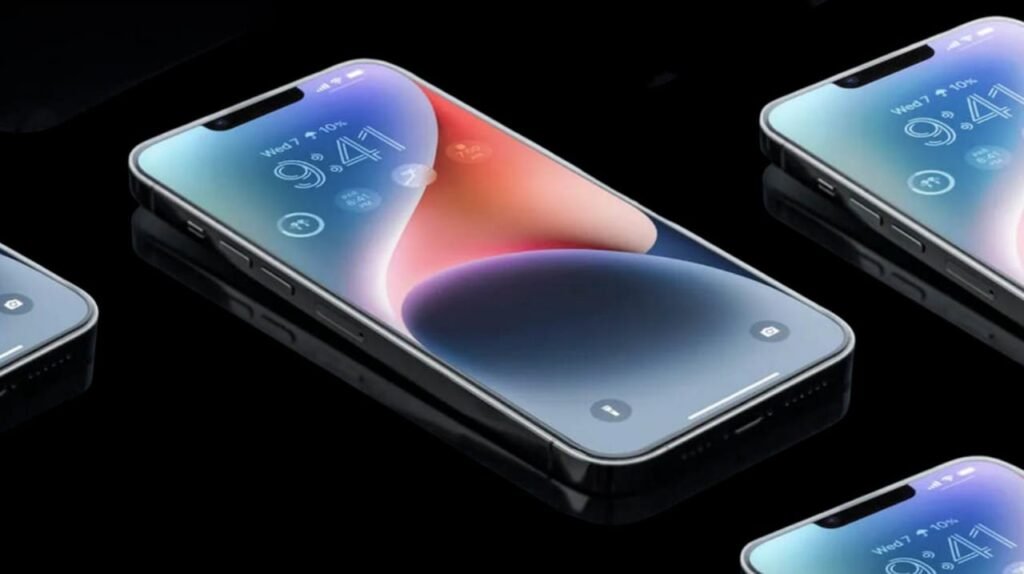
According to a report from The Elec, Apple is exploring the idea of integrating tandem OLED displays into future iPhones the same technology it first introduced in the 2024 iPad Pro. But despite that early debut, this feature is unlikely to reach the iPhone before 2028.
What Is Tandem OLED?
Tandem OLED refers to a display made up of two or more stacked emissive layers. This design brings several benefits:
- Higher brightness
- Improved energy efficiency
- Longer screen and battery lifespan
It sounds promising. But as usual, Apple isn’t rushing.
The Slow Start
Apple was actually first to use tandem OLED in the 2024 iPad Pro. Yet iPhones still rely on conventional OLED panels. Why the delay? It’s unclear, especially when:
- The Honor Magic 6 already features a durable two-layer OLED display.
- Huawei has adopted similar tech in its MatePad Pro 12.2 and flagship Mate 70 RS Ultimate.
While Chinese manufacturers are diving headfirst into the new tech, Apple appears content to wait, sticking to its familiar pattern of slow, methodical adoption.
But There’s a Twist Apple’s Version Will Be Different
Insider sources suggest Apple isn’t going for the full-fledged tandem OLED experience. Instead, it’s working on a simplified version:
- One layer will emit only blue subpixels.
- The second will handle red and green.
This hybrid design was reportedly tested in the iPad with panels supplied by LG. Now, Samsung is entering the supply chain as well, potentially offering more advanced display components.
So When Can We Expect It?
The first iPhone with a tandem OLED display likely won’t arrive before 2028. Apple typically takes at least two years to refine and scale up any new display technology before a full rollout.
Bottom Line
Apple is once again taking the scenic route: letting competitors test the waters, gathering user feedback, then adapting the tech to fit its own standards and eventually marketing it as a breakthrough.
By the time Cupertino ships its first two-layer OLED iPhone, Huawei may already be pushing out phones with three-layer displays.